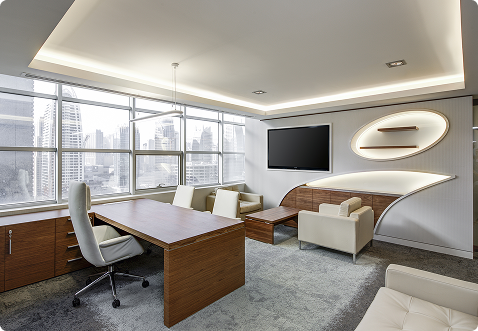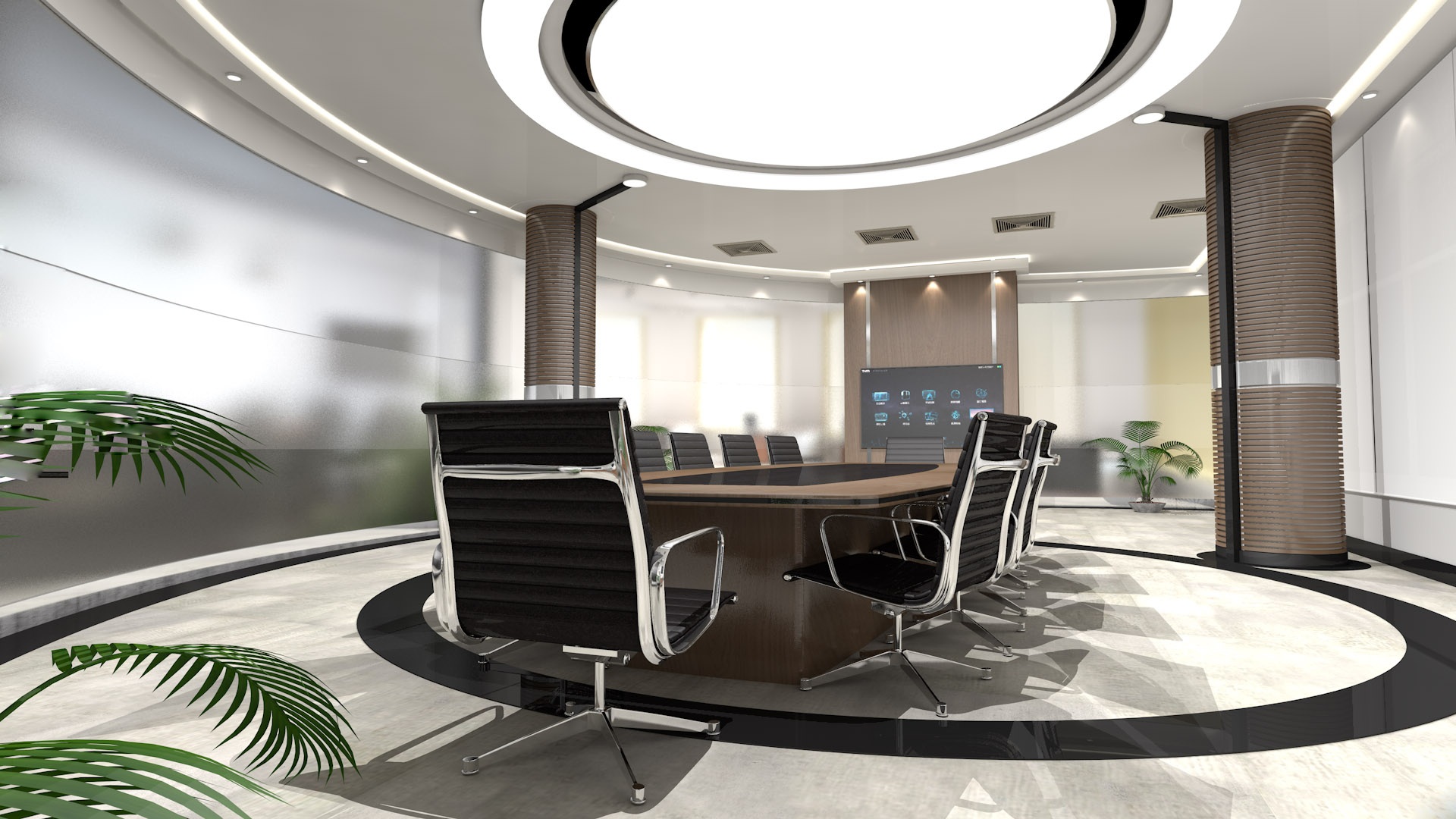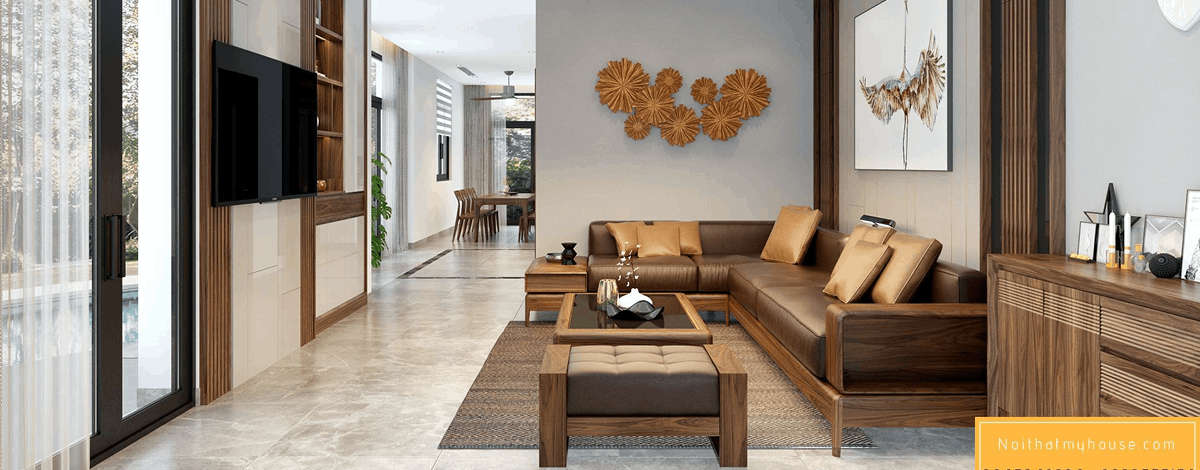
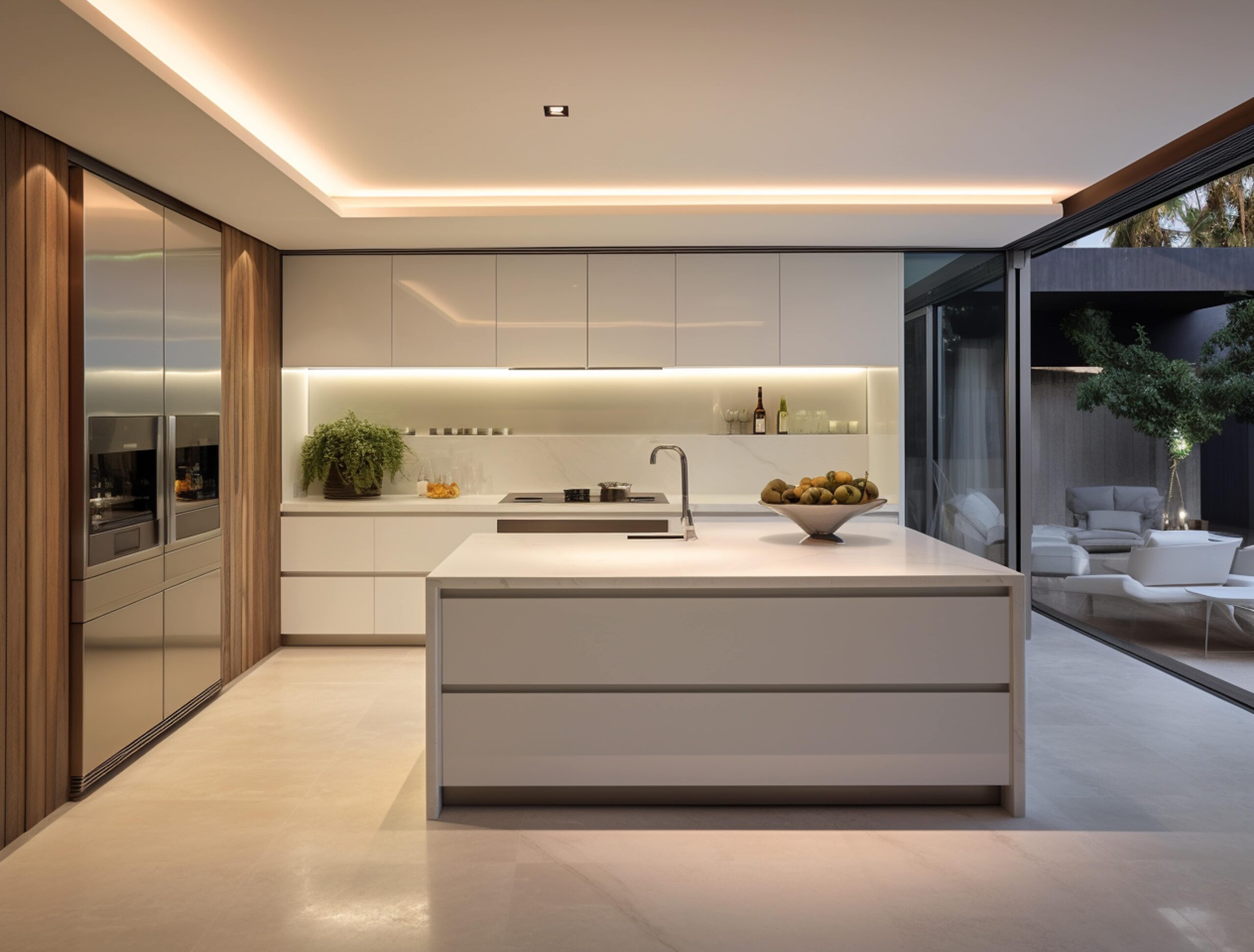
When it comes to designing a modern home or commercial space, the ceiling plays a major role in setting the tone of the interior. Two common choices are false ceilings (also known as dropped or suspended ceilings) and traditional ceilings (the basic plastered roof surface).
But which one is better for your space? Let’s explore the key differences, advantages, and things to consider before you decide.
What Is a False Ceiling?
A false ceiling is a secondary ceiling installed below the main structural ceiling using a metal or wooden framework.
It is usually made from materials like gypsum board, POP (Plaster of Paris), PVC, or metal panels.
These ceilings are popular for their design flexibility and practical benefits — from concealing wiring to improving thermal and sound insulation.
What Is a Traditional Ceiling?
A traditional ceiling is simply the original surface of the roof slab, plastered and painted for a finished look.
It is a standard construction method used in most homes for decades — simple, strong, and cost-effective.
Key Differences Between False Ceiling and Traditional Ceiling
| Feature | False Ceiling | Traditional Ceiling |
|---|---|---|
| Appearance | Sleek and modern, allows creative designs and lighting | Plain and simple look |
| Height | Lowers the overall room height slightly | Maintains full height of the room |
| Installation | Requires framework and skilled labor | Simple plastering and painting |
| Maintenance | Easy to maintain and repair panels | Harder to access wiring or pipes |
| Lighting Options | Supports recessed, cove, and hidden lighting | Limited to surface or hanging lights |
| Insulation | Improves thermal and sound insulation | Minimal insulation |
| Cost | Slightly higher due to materials and labor | More budget-friendly |
Advantages of a False Ceiling
✅ Aesthetic Appeal:
You can design creative patterns, textures, and lighting effects for a stylish interior.
✅ Concealed Wiring:
All electrical wires, AC ducts, and lighting systems stay hidden for a clean look.
✅ Temperature Control:
False ceilings reduce heat in the room by creating an air gap, helping you save on cooling costs.
✅ Soundproofing:
Perfect for offices, home theatres, or apartments to minimize noise.
✅ Energy Efficiency:
Recessed lighting and LED integration make false ceilings energy-efficient and eco-friendly.
Advantages of a Traditional Ceiling
✅ Lower Cost:
No extra materials or installation work – making it budget-friendly.
✅ Durability:
Since it’s part of the main structure, it lasts for years with minimal maintenance.
✅ Simple and Spacious:
Retains full ceiling height, which is ideal for smaller rooms.
Which Ceiling Is Better for You?
It depends on your space, style, and budget.
- Choose a False Ceiling if you want a modern, elegant, and functional design with concealed lighting and insulation benefits.
- Stick with a Traditional Ceiling if you prefer simplicity, durability, and low cost, especially for rooms with low height.
Final Verdict
In today’s interior design world, false ceilings are the preferred choice for homeowners and businesses aiming for a modern look and practical performance.
However, traditional ceilings still hold value for those who want a minimalist, affordable option.
If you’re planning to upgrade your ceiling, Upceil offers expert false ceiling solutions — from design consultation to professional installation — helping you “Upgrade the Look, Uplift the Vibe.”